
"Mingling 162"
45 article(s) found

Brazilian Queen COE Fine Coffee beans _ Analysis of semi-washed Yellow bourbon Baking and Cooking in Queen's Manor of Brazil
For more information about coffee beans, please follow the Coffee Workshop (official Wechat account cafe_style) the Brazilian Coffee Queen's Manor semi-washed Yellow bourbon Introduction by Chris Kornman introduction this Brazilian coffee comes from FazendaRainha (Queen's Manor), which covers an area of 280mu and is located in Vale da Grama, an ancient volcanic valley in Brazil.
The basic chemical reaction of coffee knowledge during coffee roasting.
Many thermal and chemical reactions take place during baking: decarbonation, dehydration of quinic acid, subdivision, isomerization, polymerization, and complex sugar reactions (caramelization). The main components of the thermal reaction are monosaccharides and sucrose, chlorogenic acid, free amino acids, and fenugreek amide. Both aravinose and calactose in the polysaccharides are transferred, and the basic vulcanization process includes hydroxylamine.

How does the sour and bitter in coffee come from?
Many thermal and chemical reactions take place during baking: decarbonation, dehydration of quinic acid, subdivision, isomerization, polymerization, and complex sugar reactions (caramelization).
Basic chemical reactions that occur during coffee roasting
Many thermal and chemical reactions take place during baking: decarbonation, dehydration of quinic acid, fragmentation, isomerization, polymerization, and complex sugar reactions (caramelization). The main thermally reactive components are monosaccharides and sucrose, chlorogenic acid, displaced amino acids, and trigonelline amide. Both aravinone and calactose in polysaccharides are transferred, and basic sulfurization contains hydroxyamino acids.
The basic chemical reaction of coffee roasting process
Many thermal and chemical reactions take place during baking: decarbonation, dehydration of quinic acid, subdivision, isomerization, polymerization, and complex sugar reactions (caramelization). The main components of the thermal reaction are monosaccharides and sucrose, chlorogenic acid, free amino acids, and fenugreek amide. Both aravinose and calactose in the polysaccharides are transferred, and the basic vulcanization contains hydroxylated amino acid.
The basic chemical reaction that takes place during coffee roasting.
Many thermal and chemical reactions take place during baking: decarbonation, dehydration of quinic acid, subdivision, isomerization, polymerization, and complex sugar reactions (caramelization). The main components of the thermal reaction are monosaccharides and sucrose, chlorogenic acid, free amino acids, and fenugreek amide. Both aravinose and calactose in the polysaccharides are transferred, and the basic vulcanization process includes hydroxylamine.

The basic chemical reactions that take place during coffee roasting
Many thermal and chemical reactions take place during baking: decarbonation, dehydration of quinic acid, subdivision, isomerization, polymerization, and complex sugar reactions (caramelization). The main components of the thermal reaction are monosaccharides and sucrose, chlorogenic acid, free amino acids, and fenugreek amide. Both aravinose and calactose in the polysaccharides are transferred, and the basic vulcanization process includes hydroxylamine.

In coffee extraction, can a small proportion of [1:13] be the same as [1:15] after adding water?
Recently, a friend asked the editor if adding water after extracting a cup of coffee can avoid over-extraction, so will its concentration become lower? This is a good question. So the editor's experiment today is to directly extract the amount of water needed and the proportion of concentration, and then add water to achieve the flavor comparison of the same amount of water. The operation mode is as follows: 1. According to the extraction method of our products, extraction

Basic chemical reactions of coffee beans during coffee roasting
Many thermal and chemical reactions take place during baking: decarbonation, dehydration of quinic acid, subdivision, isomerization, polymerization, and complex sugar reactions (caramelization). The main components of the thermal reaction are monosaccharides and sucrose, chlorogenic acid, free amino acids, and fenugreek amide. Both aravinose and calactose in the polysaccharides are transferred, and the basic vulcanization process includes hydroxylamine.

The basic chemical reactions that take place during coffee roasting
Many thermal and chemical reactions take place during baking: decarbonation, dehydration of quinic acid, subdivision, isomerization, polymerization, and complex sugar reactions (caramelization). The main components of the thermal reaction are monosaccharides and sucrose, chlorogenic acid, free amino acids, and fenugreek amide. Both aravinose and calactose in the polysaccharides are transferred, and the basic vulcanization process includes hydroxylamine.

The basic chemical reactions that take place during coffee roasting.
Many thermal and chemical reactions take place during baking: decarbonation, dehydration of quinic acid, subdivision, isomerization, polymerization, and complex sugar reactions (caramelization). The main components of the thermal reaction are monosaccharides and sucrose, chlorogenic acid, free amino acids, and fenugreek amide. Both aravinose and calactose in the polysaccharides are transferred, and the basic vulcanization process includes hydroxylamine.
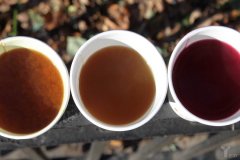
Wearing a coffee coat, you are such a broth!
Professional baristas follow the Coffee Workshop (Wechat official account cafe_style) in the United States, there is such a store: they sell big bone soup in coffee cups, which is unexpectedly popular, with queues at the door selling at least hundreds of cups a day, and even launched a cookbook on big bone soup in 2015. And caused businesses all over the world to follow suit. How did they do it?
The basic chemical reaction of coffee technology in the process of coffee roasting
Many thermal and chemical reactions take place during baking: decarbonation, dehydration of quinic acid, subdivision, isomerization, polymerization, and complex sugar reactions (caramelization). The main components of the thermal reaction are monosaccharides and sucrose, chlorogenic acid, free amino acids, and fenugreek amide. Both aravinose and calactose in the polysaccharides are transferred, and the basic vulcanization process includes hydroxylamine.

To what extent do you grind the beans of Pacamara black honey coffee on the Manor of San Leticia in El Salvador?
Professional coffee knowledge exchange more coffee bean information please follow the coffee workshop (Wechat official account cafe_style) El Salvador San Leticia Manor Pacamara Coffee Black Honey country: El Salvador (EL SALVADOR) production area Manor: San Leticia Manor (Santa Letcia Estate) Coffee varieties: Pacamara (Pacamara) growth altitude: 162
The basic chemical reaction that takes place during coffee roasting.
Basic chemical reactions that occur during coffee roasting author: Carl Staub originates from the SCAA baking color classification system, developed by Agtron SCAA 1995 original text from: http://www.sweetmarias.com/roast.carlstaub.html translation: Grant, http://www.baristacn.com/forum/thread-1583-1-1.html in the roasting process

How do you pronounce Friby? Frieby? Tomihiro? Why does Flat White translate like this?
Professional coffee knowledge exchange More coffee bean information Please pay attention to coffee workshop (Weixin Official Accounts cafe_style) I love Furey white very much, often talk about Furey white here, but also constantly compare the Furey white of each store is delicious or not, what is Furey white? The following is a summary of the information I heard in Australia and the information I found online.
Coffee Fun Xiamen Cafe Recommended Xiamen Travel Coffee
For coffee shops, some people like its smell, some people are infatuated with its atmosphere. But I love to travel to cafes around the world and feel the deeper taste of cafes. One weekend in April 2015, my photographer friend Button and I went to Xiamen, the coffee capital of China. I heard that there are thousands of cafes in Xiamen. As a fan of cafes, I
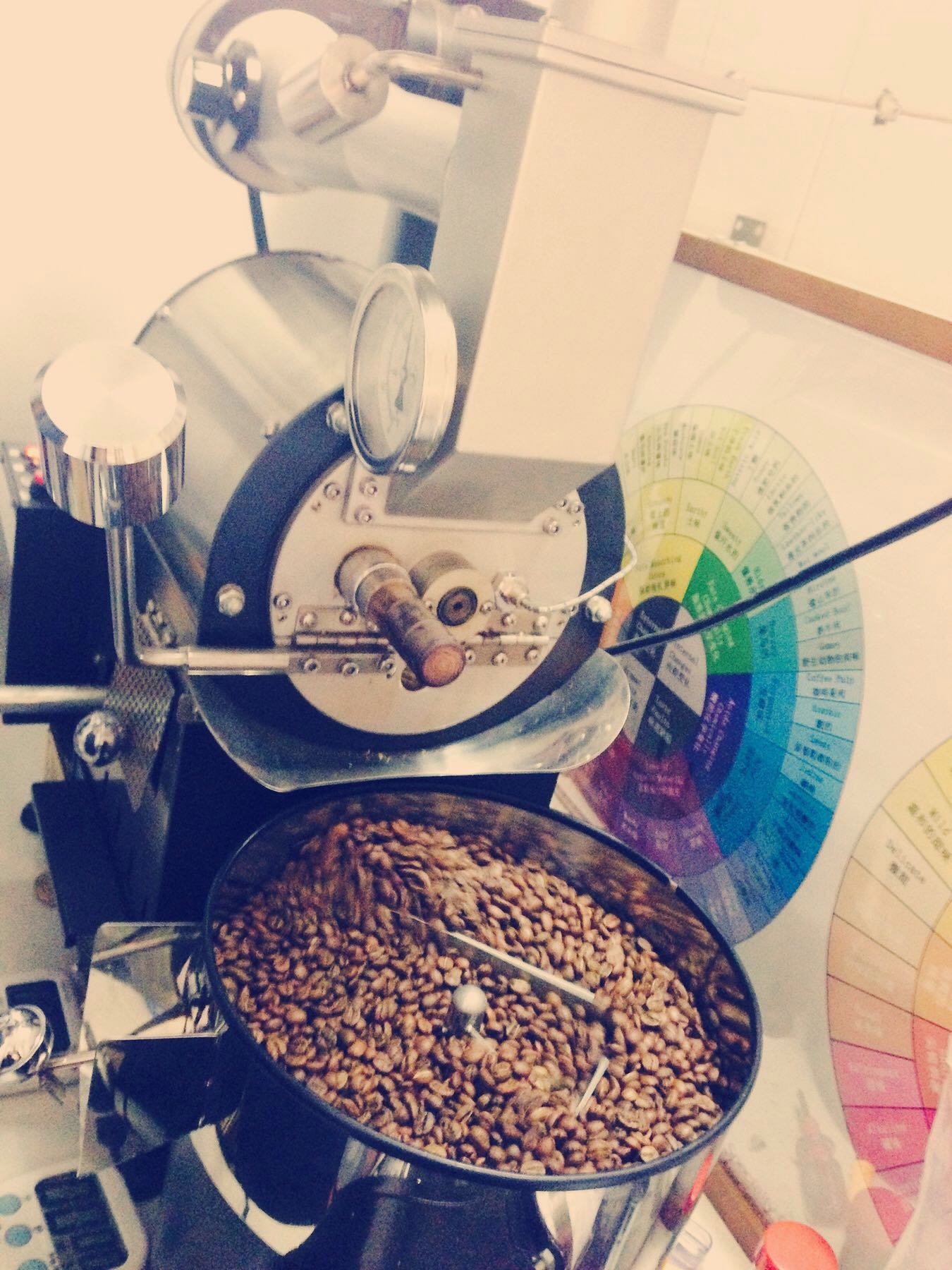
Key points of coffee roasting techniques: basic chemical reactions that take place during coffee roasting
Basic chemical reactions that occur during coffee roasting author: Carl Staub originates from the SCAA baking color classification system, developed by Agtron SCAA 1995 original text from: http://www.sweetmarias.com/roast.carlstaub.html translation: Grant, http://www.baristacn.com/forum/thread-1583-1-1.html in the roasting process
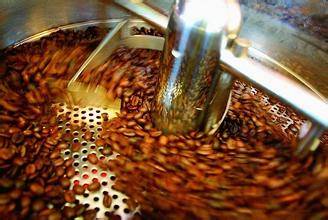
The basic chemical reaction that occurs during coffee roasting. The ingredients produced by the degree of coffee roasting.
Basic chemical reactions that occur during coffee roasting author: Carl Staub originates from the SCAA baking color classification system, developed by Agtron SCAA 1995 original text from: http://www.sweetmarias.com/roast.carlstaub.html translation: Grant, http://www.baristacn.com/forum/thread-1583-1-1.html in the roasting process

Flavor characteristics of Sidamo Sakura Coffee introduction to hand-brewing parameters of Ethiopian Sakura Coffee
For the exchange of professional baristas, please follow the coffee workshop (Wechat official account cafe_style) Hambella is located in GUJI, the largest coffee producing area in Ethiopia, and the administration is subordinate to the state of Oromia. West of Hambella and kochor of Yega Xuefei